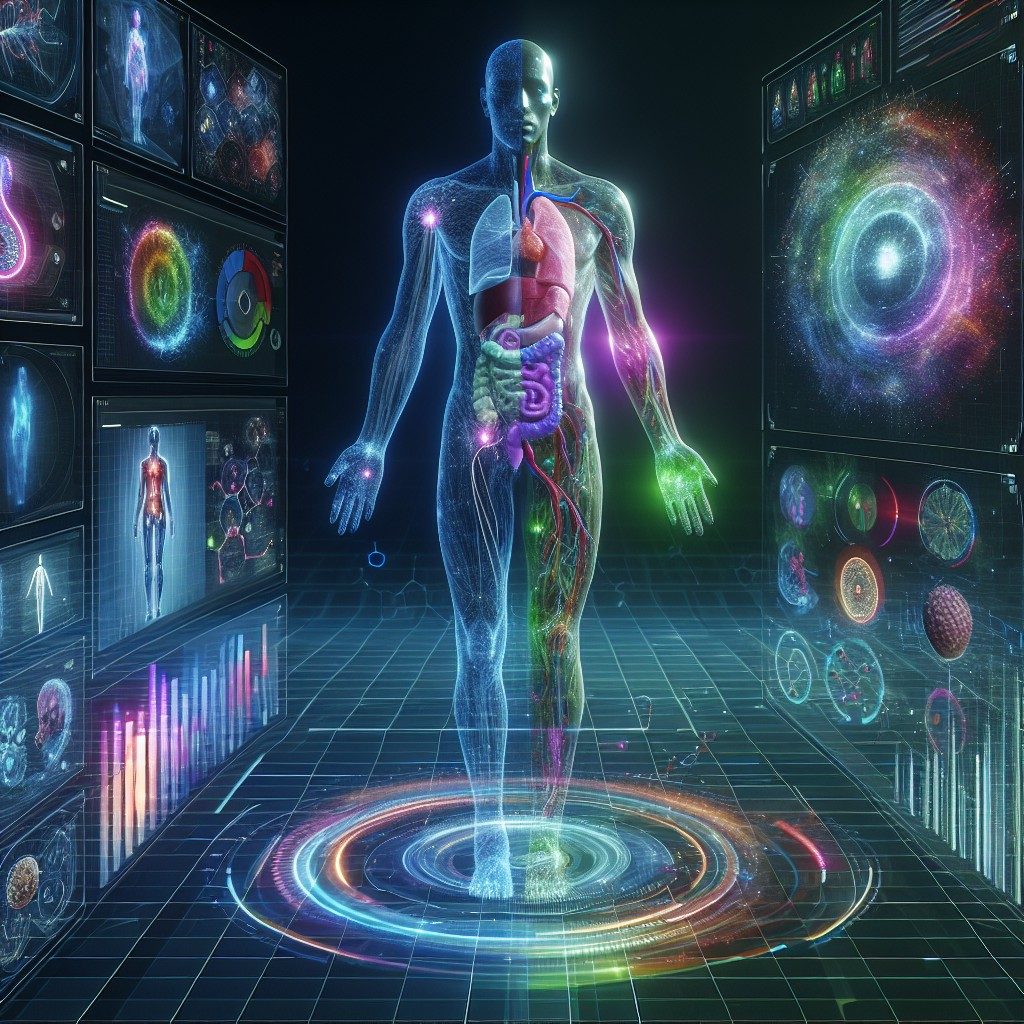
A recent study published by the World Health Organization (WHO) has unveiled intriguing forecasts for the health sector in 2026. This report, which compiles extensive Health Data, highlights potential shifts in disease prevalence, healthcare access, and technological advancements. Experts from various fields have weighed in on these revelations, indicating a landscape in healthcare that could be drastically different within just a few years.
Current Health Trends and Projections
The new health data study identifies a few critical trends that demand attention. Most notably, global aging is set to become one of the defining factors of health systems by 2026. The report emphasizes that with an increase in life expectancy, chronic diseases such as diabetes and heart disease are expected to rise significantly. This shift will require a reevaluation of current healthcare practices to accommodate an older population with distinct medical needs.
The Impact of Technological Advancements
Another significant aspect of the health data analysis is the role of technology in transforming healthcare delivery. The integration of telemedicine and artificial intelligence is expected to enhance patient monitoring and diagnosis, making healthcare more accessible. The study suggests that by 2026, as many as 30% of consultations could occur via telehealth services, especially in rural and underserved areas. This potential surge in technology-driven healthcare brings with it both opportunities and challenges, as healthcare providers must adapt to new methods of treatment and patient engagement.
Changes in Public Health Policy
The public health policies enacted in recent years have also been addressed in this study. With the continuous evolution of health data, governments are expected to implement more targeted health programs. The report underscores the need for comprehensive health data systems to track virus outbreaks and chronic disease trends effectively. By 2026, public health departments will likely require access to real-time data to respond promptly to health crises and allocate resources effectively.
Conclusion: Anticipating a Transformative Era in Healthcare
In conclusion, the health data presented in this recent study provides critical insights into the future of healthcare. The anticipated trends highlight an urgent need for adaptation and innovation within health systems globally. Stakeholders, from healthcare providers to policymakers, must consider these projections to build a robust framework that can support a growing, aging population and leverage technological advances. The journey towards 2026 promises to be a transformative era for health, driven by informed decisions based on evolving data.
Frequently Asked Questions about Health Data
What is the significance of health data in modern healthcare?
Health data is essential for understanding trends in patient care, disease prevalence, and health outcomes, aiding decisions in public health and policy making.
How often is health data updated?
Health data is typically updated regularly, depending on various factors, including ongoing research, healthcare trends, and disease outbreaks.
Why is health data important for predicting future health trends?
Health data allows analysts and researchers to identify patterns and make informed predictions about future health trends, guiding both policy and practice.
Where can I find reliable health data?
Reliable health data can be found through sources like the World Health Organization, CDC, or other governmental health agencies focused on public health statistics.
How does health data influence public health policy?
Health data informs public health policy by highlighting areas of need, prevalence of diseases, and effectiveness of current health interventions, driving targeted approaches.